1943 Steel Penny Value: What Is Yours Really Worth?
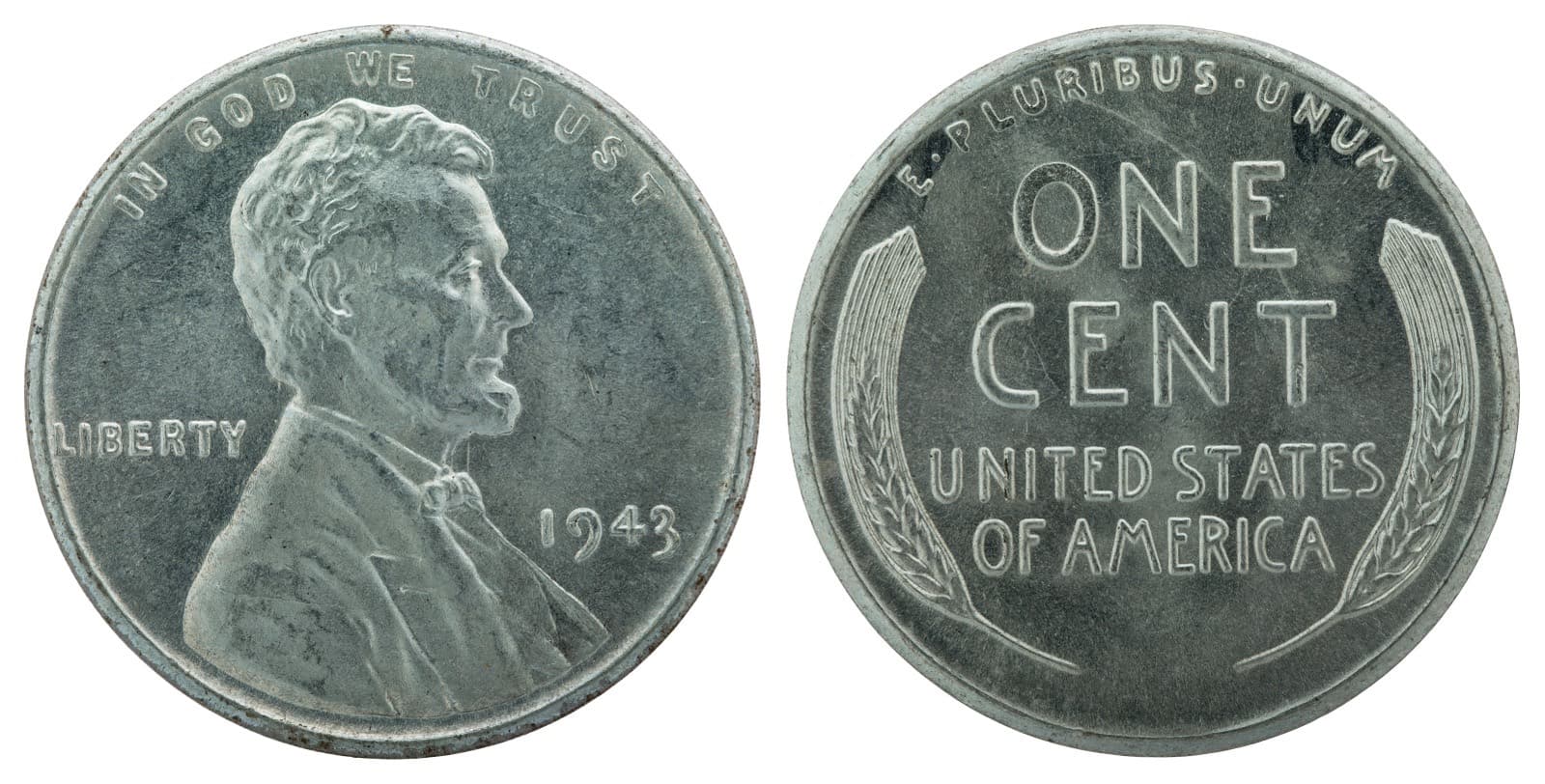
If you have a silvery looking penny dated 1943, you are holding one of the most famous coins in American history, and one of the most misunderstood when it comes to value. Most people assume it is worth a fortune. In reality, the vast majority are worth well under a dollar. But a small number are worth thousands, and a handful of extremely rare error coins have sold for over $500,000.
Here is exactly how to tell what you have.
What 1943 steel pennies are selling for right now
These are live eBay auctions for single 1943 steel cents, led by certified coins at the top of the market. Ordinary circulated examples sell for pennies and are not shown here, so treat this as the ceiling rather than the norm. What a seller asks and what a coin finally sells for are also not the same thing.

1943 - S Lincoln steel Wheat penny
$650Starting bid
Graded · ends Sep 25, 9:03 PM EDT

ERROR 1943-D Steel Wheat Penny MS-68
$500Starting bid
Graded · ends Sep 24, 11:51 PM EDT

1943-D Steel Wheat Penny VF-30
$250Starting bid
Graded · ends Sep 25, 6:57 PM EDT

1943 D/D Steel Lincoln Wheat Error: Super Crisp ANACS MS64 RPM-8 + Low Start
$225Starting bid
Graded · ends Sep 27, 5:38 PM EDT

1943 D ANACS MS63 Lincoln Wheat Cent #B29458
$200Starting bid
Graded · ends Sep 26, 2:15 PM EDT

1943 NGC 1C MS67 LINCOLN STEEL WHEAT CENT #B53494
$190Starting bid
Graded · ends Sep 28, 1:43 PM EDT
Live auction listings from eBay, refreshed daily. Asking prices and bids are what sellers and bidders hope to get, not confirmed sale values, and listings are not checked or endorsed by us.
Why is the 1943 penny made of steel?
In 1943 the U.S. Mint switched penny production from copper to zinc-coated steel. Copper was needed for the war effort, including shell casings, wiring, and other military equipment, so the Mint temporarily struck cents on steel planchets instead. Steel cents were only produced for one year, which is part of why the coin is so recognizable today.
1943 sits inside the wider Lincoln wheat cent series (1909 to 1958). For values across every date, see the wheat penny value guide
Quick identification: do you actually have a steel penny?
Before checking value, confirm what you are holding.
- Magnet test: a genuine 1943 steel penny is magnetic. Touch it with a small magnet and it will stick.
- Color: steel cents look silver or gray, not copper brown. Heavy wear or rust can dull this, but the base tone stays silvery.
- Weight: steel cents weigh about 2.7 grams, versus 3.11 grams for a copper cent.
If your coin does not stick to a magnet, do not assume it is worthless. It could be something far more valuable. See the copper penny section below.
1943 steel penny value by mint mark and condition
Value depends on which mint struck it and what condition it is in. Look just below the date for a small letter, or no letter at all.
| Mint | Circulated (worn) | Uncirculated (MS60-65) | Top grade (MS66+) |
|---|---|---|---|
| Philadelphia (no mint mark) | Circulated (worn)$0.10 - $0.50 | Uncirculated (MS60-65)$10 - $30 | Top grade (MS66+)$45 - $500+ |
| Denver (D) | Circulated (worn)$0.15 - $0.75 | Uncirculated (MS60-65)$10 - $35 | Top grade (MS66+)$70 - $14,000+ |
| San Francisco (S) | Circulated (worn)$0.20 - $1 | Uncirculated (MS60-65)$10 - $70 | Top grade (MS66+)$70 - $35,000+ |
These ranges are for informational purposes only and are not a professional appraisal or grading opinion. They reflect typical retail and auction sales, prices move with the market, and certified coins in the very highest grades sell well above these figures.
- Most 1943 steel pennies you will find in change jars, drawers, or inherited collections are common. The Mint struck over a billion of them and millions survive today, so worn examples are only worth a small premium over face value.
- Condition is what actually drives value. A coin that looks close to new, with sharp details, original mint luster, and no scratches or corrosion, can be worth 50 to 100 times more than a worn one.
- San Francisco coins tend to command the highest premiums in top uncirculated grades, since fewer high grade examples survive.
- Steel cents are prone to rust and discoloration after 80 years. Surface rust, pitting, or a dull gray brown color will lower value even if the coin is otherwise well preserved.
If your coin is sharp, shiny, and looks close to uncirculated, it may be worth having professionally graded by PCGS or NGC before you sell.
The 1943 copper penny: the one everyone is hoping for
This is the coin that fuels every check your pennies story. A small number of 1943 cents were accidentally struck on leftover bronze planchets from 1942 instead of the new steel blanks. These are considered among the rarest and most valuable error coins in U.S. history.
- Only around 20 to 27 genuine specimens are confirmed to exist across all three mints.
- They do not stick to a magnet, and they weigh about 3.11 grams against 2.7 grams for steel.
- The unique 1943-D bronze cent, the only known example from the Denver mint, sold at auction for over $500,000.
- Philadelphia and San Francisco bronze examples have also sold for hundreds of thousands of dollars at major auctions.
Important: counterfeits are extremely common. People copper plate ordinary steel cents, or alter the date on genuine 1948 pennies, to mimic this error. If your 1943 penny fails the magnet test, do not clean it and do not rush to sell it. Weight and magnetism alone are not proof, so get it authenticated by PCGS or NGC first.
Other valuable 1943 errors to watch for
- Doubled die varieties: doubling visible in the date or lettering, worth a premium even in circulated grades.
- Repunched mint marks: most notably on 1943-D coins, where the mint mark shows a faint shadow from being punched twice. These can be worth significantly more than a standard 1943-D.
These are easiest to confirm with magnification or a loupe, and they are worth a second look even if your coin seems ordinary at first glance.
Should you get your coin graded?
Professional grading through PCGS or NGC typically costs $30 to $150 or more depending on service level. It is generally only worth it if one of the following applies.
- Your coin looks uncirculated or close to it
- You suspect a copper or bronze error
- You have spotted a doubled die or repunched mint mark
- You plan to sell through a major auction house
For an everyday circulated steel penny, grading fees will usually cost more than the coin itself is worth.
Not sure what you have?
Steel or copper, worn or uncirculated, error or ordinary: it is not always obvious from a quick look, especially with 80 years of wear, rust, or plating to account for.
Snap a photo and get a read on your coin in seconds, before you decide whether it is worth a trip to a dealer or the cost of professional grading.
- One coin
- Good lighting
- Fill the frame
- Plain background
Common questions
- How much is a 1943 steel penny worth?
- A circulated 1943 steel penny is usually worth 10 cents to $1 depending on the mint mark and how worn it is. Uncirculated examples typically bring $10 to $70, and top graded coins can reach several hundred dollars or more.
- Is a 1943 steel penny rare?
- No. The Mint struck over a billion of them across Philadelphia, Denver and San Francisco in 1943, and millions survive. Only high grade examples with clean, spot free surfaces are genuinely scarce.
- How do I know if my 1943 penny is copper?
- Hold a magnet to it. Steel cents stick, bronze cents do not. A genuine bronze 1943 cent also weighs about 3.11 grams against 2.7 grams for steel. If yours passes both checks, have it authenticated by PCGS or NGC before doing anything else.
- What is a 1943 S steel penny worth?
- A worn 1943-S is worth roughly 20 cents to $1. San Francisco coins command the strongest premiums in top uncirculated grades, where certified examples have sold for thousands.
- Should I clean my 1943 steel penny?
- No. Cleaning strips what is left of the zinc coating and leaves marks that collectors spot instantly. A cleaned steel cent is worth less than the same coin left alone.
- Where can I sell a 1943 steel penny?
- Common examples are usually sold in bulk lots online or to a local coin shop, since a single worn coin can cost more to post than it is worth. High grade or certified coins do better at auction.
Scan coins on your iPhone
Identify coins from photos wherever you find them - at estate sales, in change jars, or out with a metal detector.

Free on the App Store
Last reviewed August 2026. Values are estimates for informational purposes only, not a professional appraisal or grading opinion.